
Graduate Programs
Explore the programs offered by this organization.
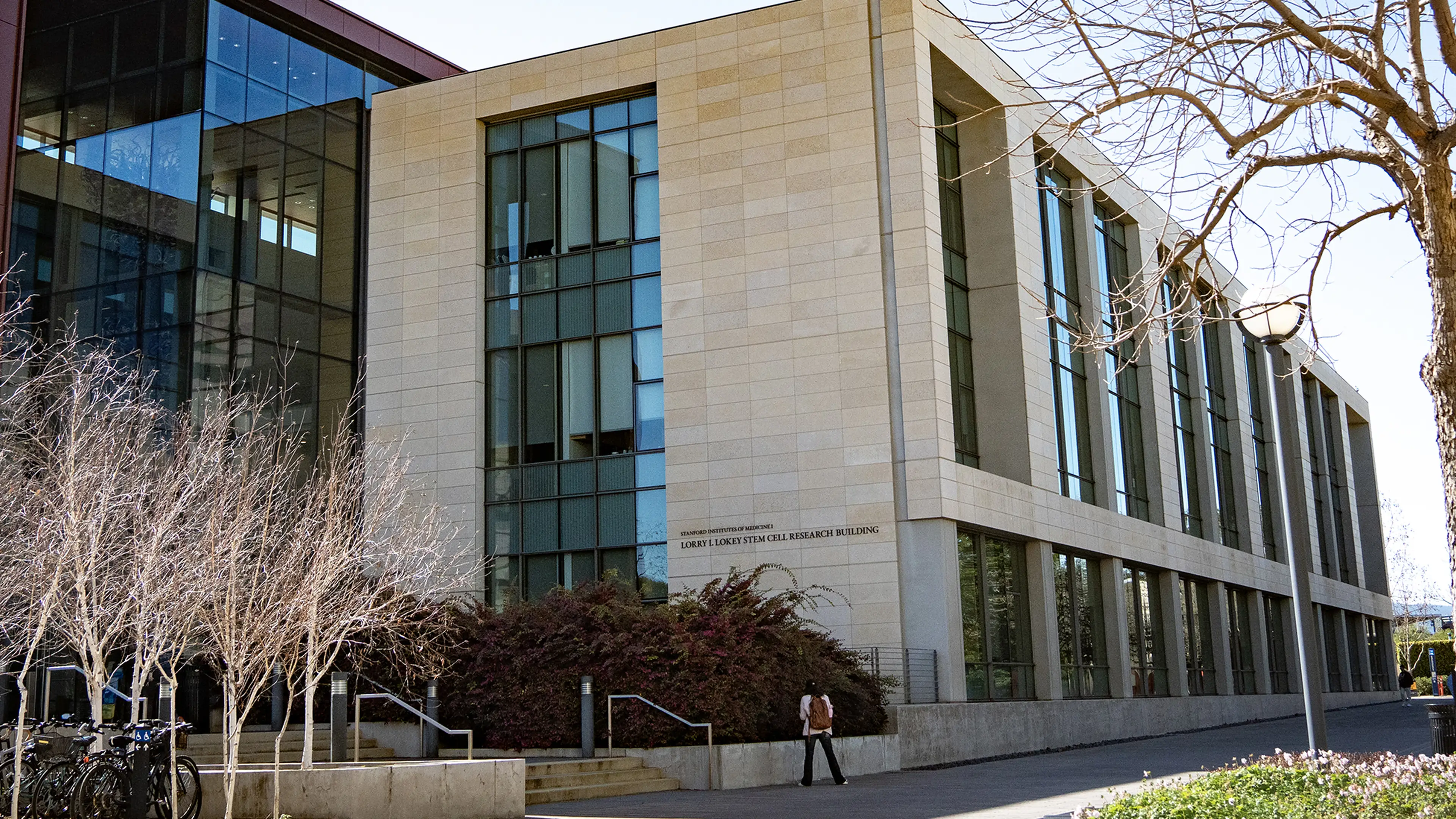
The Stanford Institute for Stem Cell Biology and Regenerative Medicine (ISCBRM) is a preeminent center of scientific discovery housed in the state-of-the-art Lorry I. Lokey within Stanford’s School of Medicine campus. Established to build upon Stanford’s historic, three-decade legacy of leadership in stem cell science, the Institute is devoted to exploring how stem cells develop, differentiate, and contribute to tissue regeneration. The ultimate goal is to translate this knowledge into new medical therapies for some of the world’s most serious and intractable afflictions.
By leveraging Stanford's compact campus—which contains multiple top-tier Departments, Stanford Hospital, and the entrepreneurial ecosystem of Silicon Valley in immediate proximity—the Institute acts as an interdisciplinary center. Here, basic scientists, clinical researchers, bioengineers, legal and ethical scholars, and business leaders collaborate to help shape the future of healthcare.
The Stem Cell Biology and Regenerative Medicine (SCBRM) Graduate Program is a doctoral program that combines foundational training in genetics, molecular biology, and developmental biology with cutting-edge stem cell methodologies. In addition to basic science research training, the program also provides the opportunity to learn about and participate in advancing research toward clinical applications or pursue diverse leadership careers.
ISCBRM laboratories utilize advanced genomic, imaging, and cellular technologies to dissect the biology of stem cells and tissue regeneration. Key research directions include:
Stem Cell Regulation and Niche Biology: Uncovering the intrinsic genetic programs and extrinsic microenvironmental signals (the "niche") that control stem cell self-renewal, dormancy, and activation.
Cancer Stem Cells: Pioneering the identification and characterization of cancer stem cells in leukemia and solid tumors to develop targeted therapies that eliminate the root causes of metastasis and recurrence.
Tissue Regeneration and Wound Healing: Investigating how embryonic and adult stem cells can be directed to repair damaged organs, heal complex wounds, and reverse degenerative diseases.
Hematopoiesis and Immunology: Studying the developmental biology of hematopoietic (blood-forming) stem cells to optimize bone marrow transplantation and advance immunotherapeutic treatments.
Stem Cell Engineering and Biomaterials: Partnering with bioengineers to develop synthetic scaffolds, organoids, and cellular delivery platforms that support functional tissue engineering.