

Bulletin

Interested in attending Stanford?
Visit Undergraduate Admissions opens in a new tab or Graduate Admissions opens in a new tab.

Resources

  • About Stanford
  • About Bulletin
  • Academic Calendar opens in a new tab
  • Bulletin Archive
  • Enrollment Overview opens in a new tab
  • Enrollment Deadlines opens in a new tab
  • Degrees at a Glance

Schools

  • Doerr School of Sustainability opens in a new tab
  • Graduate School of Business opens in a new tab
  • Graduate School of Education opens in a new tab
  • School of Engineering opens in a new tab
  • School of Humanities and Science opens in a new tab
  • School of Law opens in a new tab
  • School of Medicine opens in a new tab
Give Feedback

Stanford University is accredited by the Accrediting Commission of Senior Colleges and Universities of the Western Association of Schools and Colleges opens in a new tab.

Give Feedback
Stanford
University
  • Stanford Home
  • Maps & Directions
  • Search Stanford
  • Emergency Info
  • Terms of Use
  • Privacy
  • Copyright
  • Trademarks
  • Non-Discrimination
  • Accessibility
© Stanford University.  Stanford, California 94305.
Skip to main content
Stanford University
Bulletin
Anesthesiology, Perioperative, and Pain Medicine
School of Medicine
Skip past section menu
Schools, Departments, and Organizations
  • Doerr School of Sustainability
  • Graduate School of Business
  • Graduate School of Education
  • Law School
  • School of Engineering
  • School of Humanities and Sciences
  • School of Medicine
    • Anesthesiology, Perioperative, and Pain Medicine
    • Biochemistry
    • Bioengineering
    • Biomedical Data Science
    • Biomedical Physics
    • Biophysics
    • Cancer Biology
    • Cardiothoracic Surgery
    • Chemical and Systems Biology
    • Clinical Informatics Management
    • Community Health and Prevention Research
    • Comparative Medicine
    • Department of Medicine
    • Dermatology
    • Developmental Biology
    • Emergency Medicine
    • Epidemiology
    • Genetics
    • Gynecology and Obstetrics
    • Health Policy
    • Immunology
    • Microbiology and Immunology
    • Molecular and Cellular Physiology
    • Neurobiology
    • Neurology and Neurological Sciences
    • Neurosciences Program
    • Neurosurgery
    • Ophthalmology
    • Orthopedic Surgery
    • Otolaryngology
    • Pathology
    • Pediatrics
    • Physician Assistant Studies
    • Psychiatry and Behavioral Sciences
    • Radiation Oncology
    • Radiology
    • Stem Cell Biology and Regenerative Medicine
    • Structural Biology
    • Surgery
    • Translational Research and Applied Medicine
    • Urology
Units and other organizations
  • Athletics, Physical Education, and Recreation
  • Center for Teaching and Learning
  • SLAC National Accelerator Laboratory
  • Vice Provost for Graduate Education
  • Vice Provost for Undergraduate Education
Loading department
Loading programs and courses
Loading department contacts
  1. Home
  2. Schools, Departments, & Units
  3. School Of Medicine
  4. Anesthes, Periop & Pain Med

Anesthesiology, Perioperative, and Pain Medicine

About Us

The Department of Anesthesiology, Perioperative, and Pain Medicine at Stanford Medicine is a world-class center of clinical excellence, scientific discovery, and educational innovation. Operating under the mission to "care, educate, and discover," the department is guided by a singular vision: to heal humanity through science and compassion, one patient at a time.

With approximately 300 distinguished faculty members, the department provides highly skilled, compassionate, patient-centered care while driving major advances in perioperative medicine. The department is deeply committed to diversity, equity, and inclusion, with dedicated faculty in every division working to provide active mentorship, foster inclusive spaces, and address the unique health needs of a diverse global patient population.

Academic and Clinical Training Pathways

The department provides a rich, resource-dense environment designed to help clinical and scientific learners achieve their highest professional potential. Training programs span several distinct pathways:

  • Anesthesiology Residency Program: Training approximately 100 residents annually. Residents gain unmatched clinical exposure by rotating through premier regional facilities, including Stanford Hospital, Lucile Packard Children’s Hospital, the Veterans Affairs Palo Alto Health Care System, and the Santa Clara Valley Medical Center.

  • Subspecialty Clinical Fellowships: Hosting approximately 50 ACGME-accredited and specialized fellows. Elite training programs are offered in cardiac anesthesia, critical care medicine, obstetric anesthesia, pediatric anesthesia, regional anesthesia, and pain medicine.

  • Undergraduate and Medical Education: Welcoming hundreds of Stanford medical and undergraduate students each year through immersive pre-clerkship courses, clinical clerkships, and hands-on research electives.

  • Postdoctoral Research Fellowships: Supporting approximately 40 postdoctoral scholars engaged in cutting-edge, mentored scientific discovery across basic and translational research laboratories.

Research, Innovation, and Clinical Excellence

Stanford’s Department of Anesthesiology, Perioperative, and Pain Medicine consistently ranks among the top departments in the United States for National Institutes of Health (NIH) funding. Investigators and clinicians collaborate across disciplines to lead high-impact basic, translational, clinical, and population health research:

  • Clinical Subspecialty Leaders: Pioneering advanced protocols in high-risk obstetric anesthesia, complex pediatric and neonatal care, cardiovascular anesthesia, and advanced critical care medicine.

  • Pain Medicine and Neuroscience: Advancing the scientific understanding of acute and chronic pain mechanisms, non-opioid pain management, and innovative neuromodulation therapies.

  • Simulation and Technology Development: Utilizing state-of-the-art immersive simulation training—including partnerships with the Center for Advanced Pediatric and Perinatal Education (CAPE)—to optimize clinical performance, cognitive workflows, and patient safety.

  • Global Health Equity: Designing sustainable anesthetic and perioperative training programs in resource-limited settings worldwide to improve global surgical outcomes.

Our Offerings

  • Courses

    Explore the courses offered by this organization.
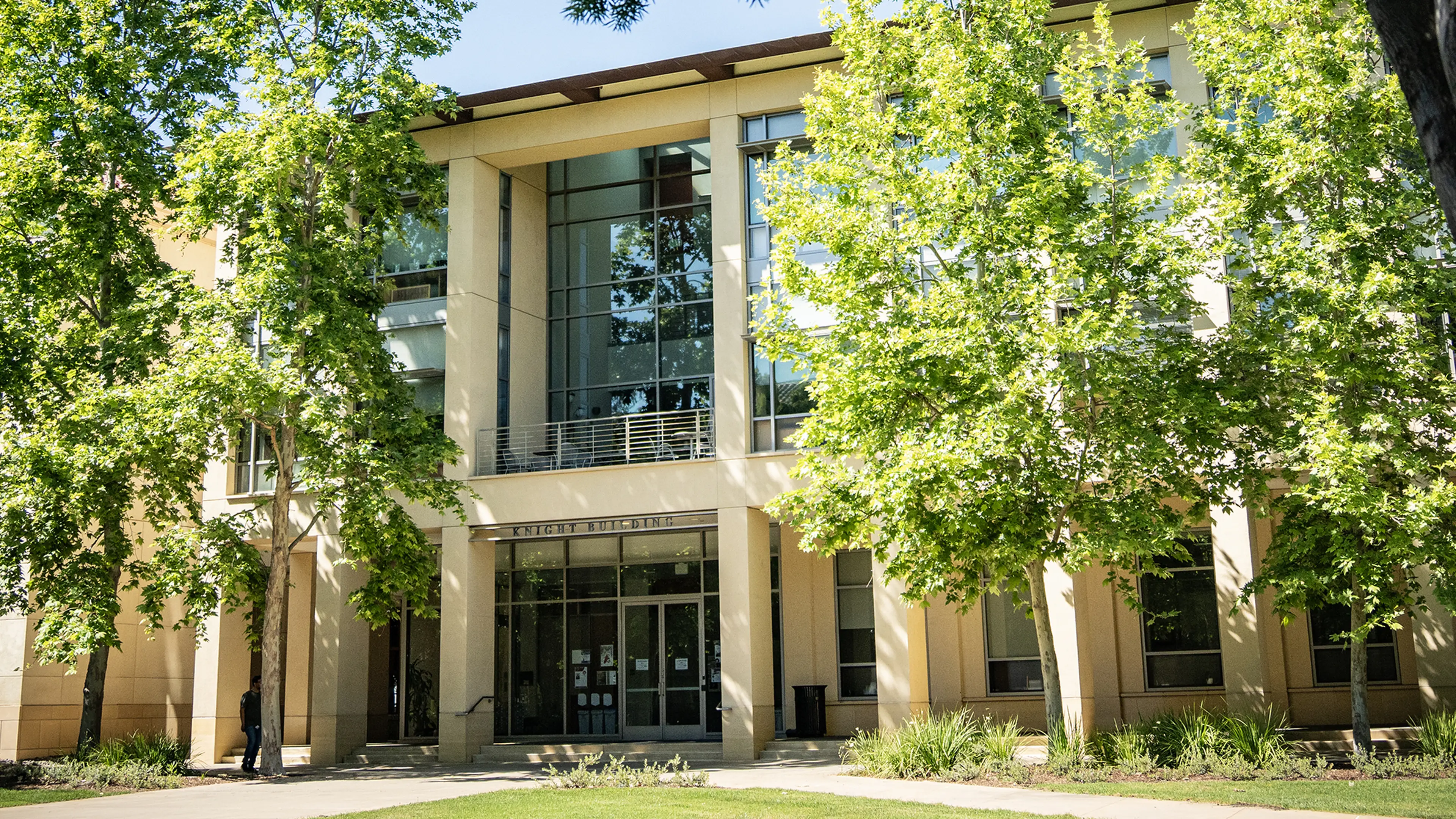
Find Us on Campus

Anesthesiology, Perioperative, and Pain Medicine opens in a new tab
We welcome your inquiries and look forward to connecting with you. Reach out to us through any of the channels below.
Address
Stanford University School of Medicine
300 Pasteur Drive, Room H3580
Stanford, CA 94305-5640
opens in a new tab
Phone
(650) 723-6412 opens in a new tab

Directories

  • Our Faculty