

Graduate Programs
Explore the programs offered by this organization.
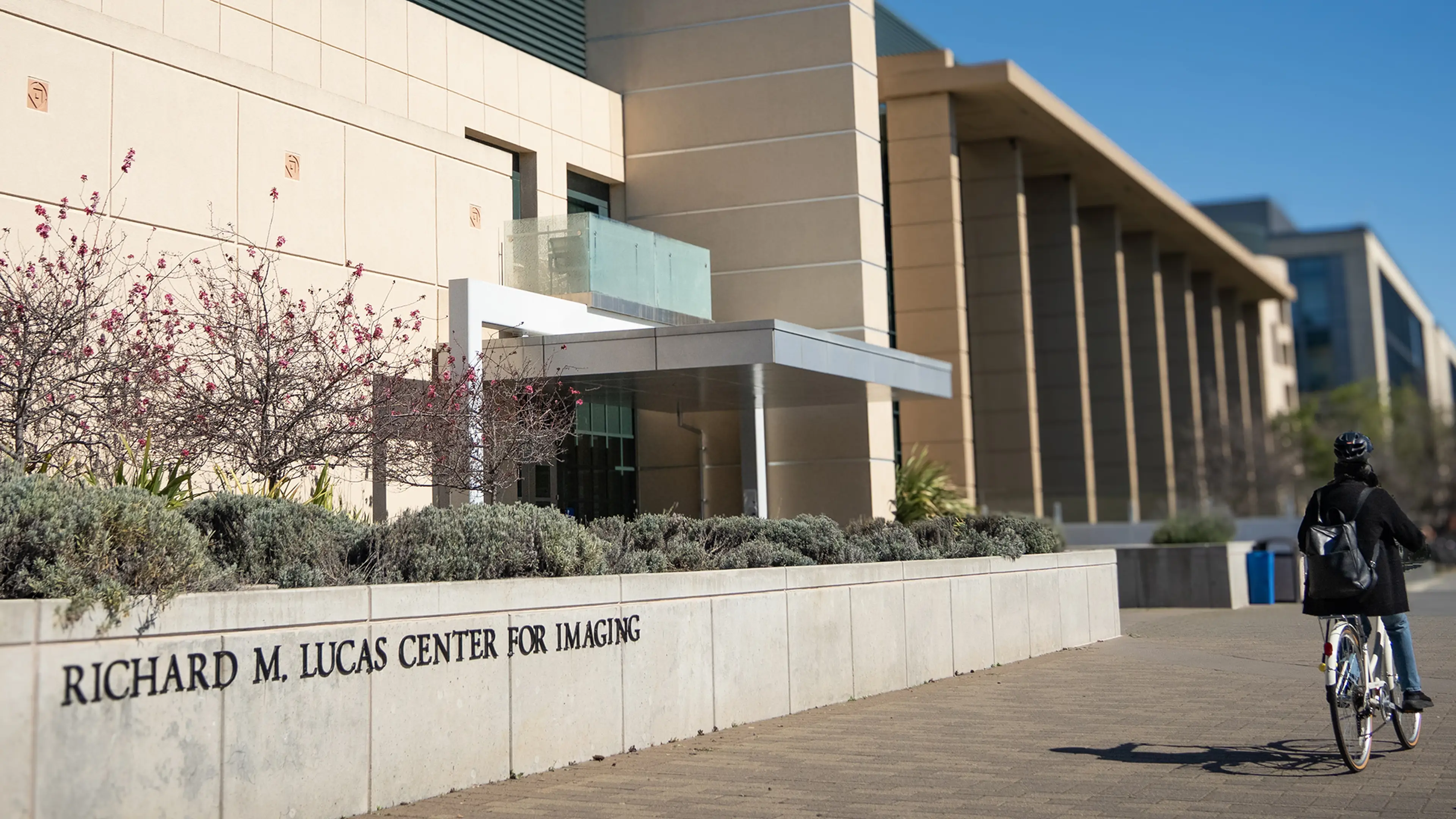
The Department of Biomedical Data Science (DBDS) at the Stanford University School of Medicine is at the forefront of the digital revolution in healthcare and medicine. The department's mission is to advance precision health – healthcare solutions optimized for each individual – by leveraging large multi-scale real-world data through the development and implementation of AI/ML and other novel analytical tools and methods.
DBDS is committed to training the next generation of biomedical data scientists, empowering them to become leaders across academia, industry, government, and the non-profit sector. United by a vision of advancing Precision Health, the department focuses on the extraction of meaningful patterns from complex, large-scale biomedical data. The program is designed for students with a primary interest in developing new informatics methods, algorithms, and conceptual models, rather than simply applying existing tools to biological problems.
The graduate programs in Biomedical Data Science are highly interdisciplinary, offering research-driven pathways that integrate computer science, statistics, biology, and medicine:
Doctor of Philosophy (Ph.D.) in Biomedical Data Science: A premier, research-focused doctoral program. Students undergo intensive training in algorithm development, statistical modeling, AI and machine learning, and data integration approaches, applying these skills to solve complex problems in clinical medicine and the biological sciences.
Master of Science (M.S.) in Biomedical Data Science: A graduate program designed to deepen technical expertise in Statistics, AI, ML and other algorithmic approaches in precision health, along with data acquisition, harmonization and other fundamentals of data integration.
Flexible and Dual-Degree Pathways: The curriculum offers substantial flexibility to complement other clinical or applied research areas at Stanford. The department accommodates joint-degree seekers (such as M.D./Ph.D. or M.D./M.S. candidates) and adjusts requirements for students with prior advanced technical training.
Admissions: DBDS seeks to attract diverse candidates from all backgrounds and experiences. The Graduate Record Examination (GRE) is not required for admission.
The DBDS curriculum is designed to ensure that students develop a comprehensive suite of technical and professional competencies:
Data Science Mastery: Advanced training in the acquisition, processing, curation, and visualization of massive, heterogeneous biomedical datasets.
Methodological Innovation: Designing and implementing AI/ML and other novel analytical methods along with statistical frameworks to extract actionable biomedical knowledge.
Knowledge Representation: Mastering the formal modeling, representation, and retrieval of biomedical knowledge to make data findable, accessible, interoperable, and reusable (FAIR).
Ethical and Legal Stewardship: Required training in the ethical, social, economic, and legal implications of biomedical data science, including issues of safety, patient privacy, algorithmic bias, and data governance.
