MD Program opens in a new tab
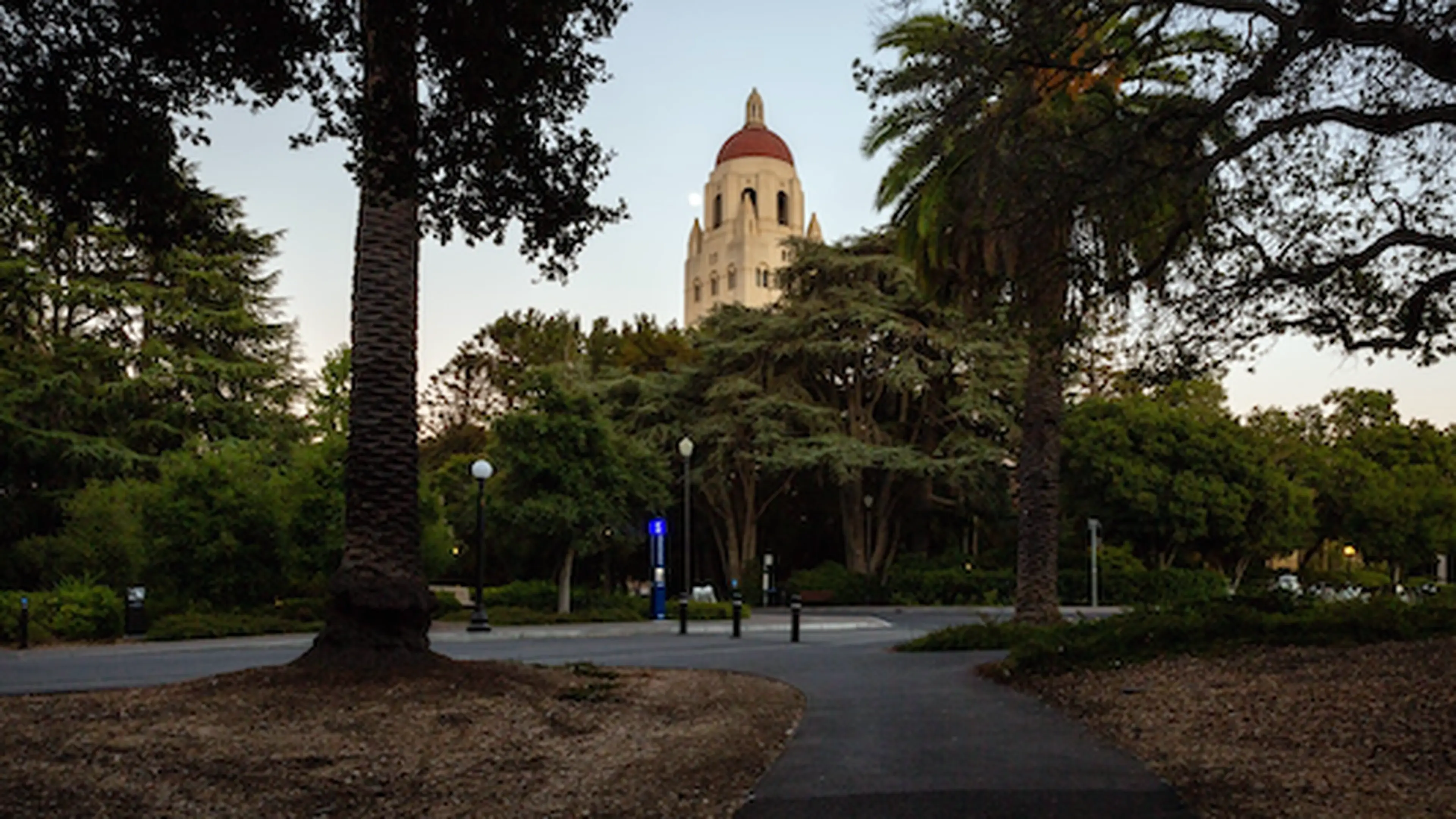
Explore a flexible medical education that combines biomedical and clinical sciences with opportunities for research, global health experiences, and dual degrees.

The Stanford University School of Medicine is a premier research-intensive institution pioneering a legacy of integrating revolutionary scientific discovery with clinical therapies and educational pathways. As the oldest medical school on the West Coast—originally founded in San Francisco as Cooper Medical College before moving to the main Stanford campus in 1959—the school has been the birthplace of major medical milestones, from the first synthesis of biologically active DNA to the development of optogenetics.
Stanford Medicine’s leadership operates within a unique, physically integrated academic medical center. The School of Medicine works in seamless triad with its world-class clinical partners: Stanford Health Care opens in a new tab and Stanford Medicine Children's Health opens in a new tab (Lucile Packard Children's Hospital). Positioned in the heart of Silicon Valley, the school leverages its proximity to world-leading technology hubs to advance its signature vision of Precision Health: a proactive approach to medicine designed to prevent disease before it strikes and treat it precisely when it does.
At the heart of this ecosystem is a commitment to an educational continuum. Stanford Medicine does not simply train physicians and scientists; it fosters a lifelong community of learning that spans from summer pipeline programs for high school and undergraduate students, to elite graduate and professional degrees, through to advanced postdoctoral research, residency training, and continuing medical education for practicing clinicians.
Stanford Medicine's educational programs opens in a new tab offer highly flexible, individualized, and interdisciplinary pathways that empower students to lead at the intersection of medicine, science, and technology:
Doctor of Medicine (M.D.) Program opens in a new tab: Anchored by the Discovery Curriculum, this program integrates biomedical and clinical sciences with customized learning pathways. It allows students to pursue independent research, global health experiences, or dual degrees (such as an M.B.A., M.P.H., or Master's in Epidemiology).
Medical Scientist Training Program opens in a new tab (MSTP - M.D./Ph.D.): A premier dual-degree program designed for students pursuing careers in academic investigative medicine, combining the clinical rigor of medical training with intensive, independent doctoral research.
Biosciences Ph.D. Programs opens in a new tab: Stanford offers doctoral training in 14 specialized "Home Programs" spanning the biological and biomedical sciences (including Biology, Biomedical Data Science, Biophysics, Cancer Biology, Chemical and Systems Biology, Genetics, Immunology, Microbiology and Immunology, Molecular and Cellular Physiology, Neurosciences, Stem Cell Biology and Regenerative Medicine, and Structural Biology). These programs promote a collaborative, boundary-free culture of scientific exploration.
PhD Programs opens in a new tab: These programs empower students to follow their curiosity: Epidemiology and clinical research; Health Policy; Biomedical Physics.
Master of Science in Physician Assistant Studies (MSPA) opens in a new tab: The Master of Science in Physician Assistant (PA) Studies program seeks to develop highly skilled clinical PAs and inspire PA students to become PA leaders through work in scholarly concentrations, including community health, clinical research, health services and policy research, and medical education.
Specialized Master of Science (M.S.) Programs opens in a new tab: Stanford offers highly competitive, specialized Master's degrees designed to train leaders in key clinical and scientific fields. These include:
M.S. in Biomedical Data Science
M.S. in Clinical Informatics Management
M.S. in Community Health and Prevention Research
M.S. in Epidemiology and Clinical Research
M.S. in Health Policy
M.S. in Human Genetics & Genetic Counseling
M.S. in Laboratory Animal Science
M.S. in Translational Research and Applied Medicine
Master of Science in Medicine in Biomedical Investigation / Berg Scholars Program opens in a new tab: Designed exclusively for current Stanford M.D. students committed to becoming physician-scientists, embedding them in faculty-led research groups to accelerate their career path.
Beyond traditional degree programs, Stanford Medicine is a major global hub for advanced clinical specialization and scientific postdoctoral training:
Postdoctoral Training opens in a new tab: Stanford Medicine hosts one of the largest and most vibrant postdoctoral scholar populations in the United States, providing hundreds of researchers with elite mentorship, state-of-the-art facilities, and professional development.
Graduate Medical Education (GME) opens in a new tab: Through Stanford Health Care and Lucile Packard Children's Hospital, the school sponsors dozens of heavily sought-after residency and clinical fellowship programs, training hundreds of physicians annually in advanced medical specialties.
Continuing Medical Education (CME) opens in a new tab: CME is a global leader in the promotion of lifelong learning among professionals in healthcare. CME advances patient and population health and promotes innovation by planning and implementing accredited continuing education activities to enhance the professional development of healthcare teams.
Explore a flexible medical education that combines biomedical and clinical sciences with opportunities for research, global health experiences, and dual degrees.
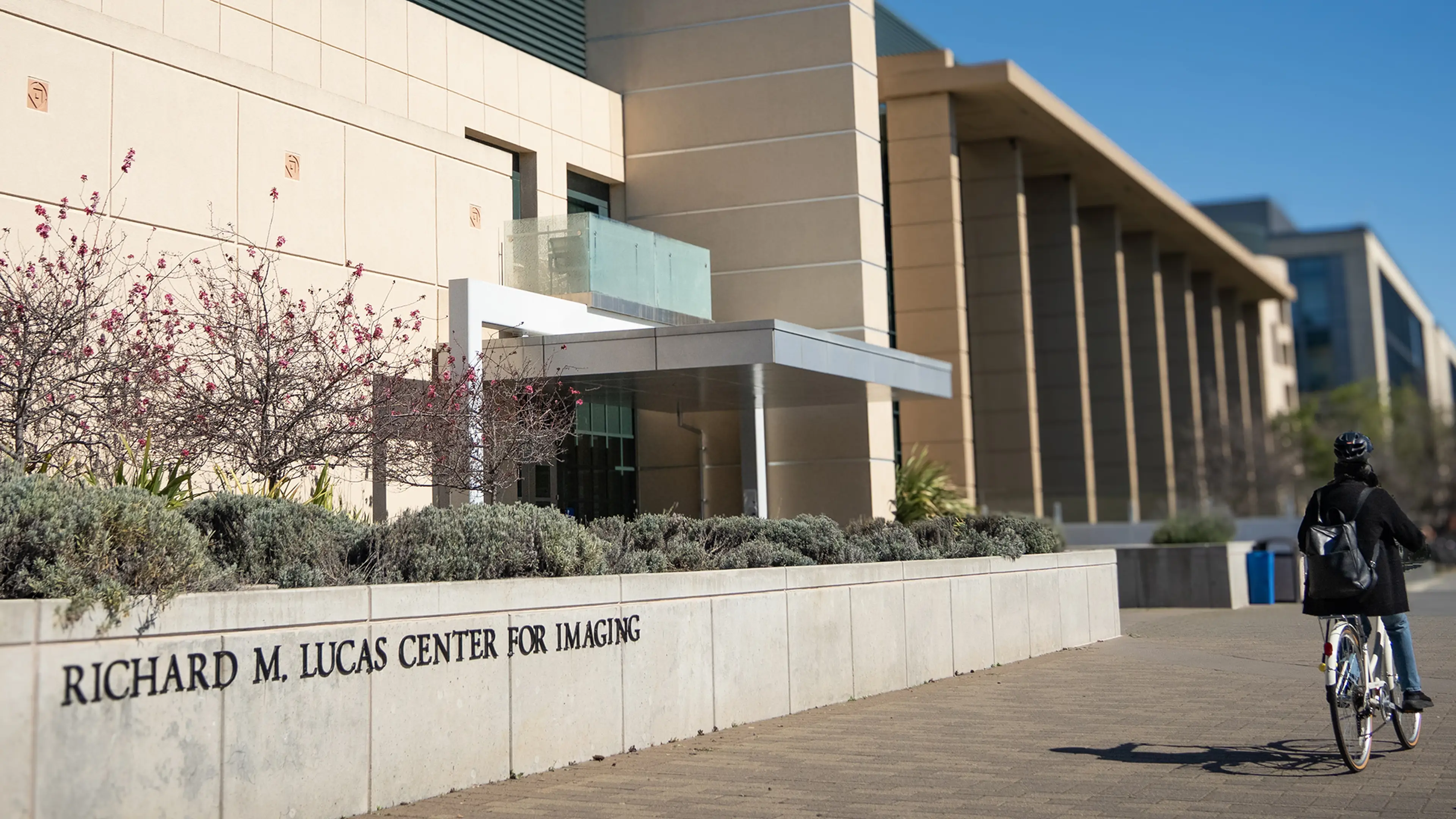
Discover doctoral training opportunities that prepare scientists to advance the biological and biomedical sciences.

Find specialized master’s degrees that prepare leaders in clinical and scientific fields.