

Courses
Explore the courses offered by this organization.
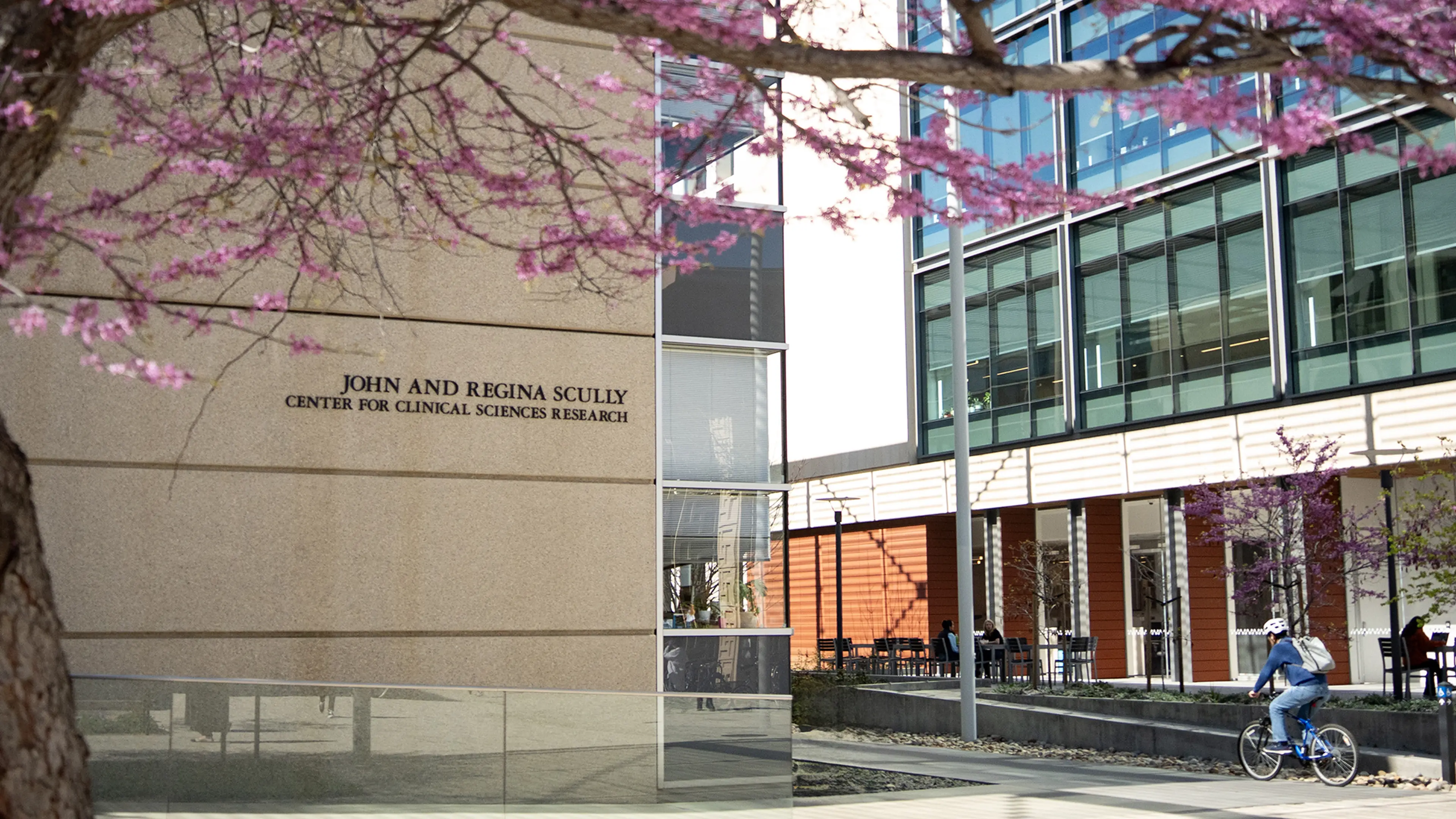
The Department of Pediatrics at the Stanford School of Medicine is a preeminent center of clinical care, scientific discovery, and child advocacy. Comprising more than 400 pediatricians and pediatric subspecialists, the department is one of the largest within the School of Medicine and is consistently ranked among the top pediatric programs in the nation.
Operating in tight integration with Lucile Packard Children's Hospital Stanford opens in a new tab and Stanford Medicine Children's Health opens in a new tab, our faculty and clinical teams deliver state-of-the-art primary and specialty care. The department operates under a distinct "bench-to-bedside-to-backyard" philosophy. This model ensures that discoveries made in the laboratory are rapidly translated into clinical treatments at the bedside, and then extended into the community ("backyard") to improve the lives of children locally and globally.
The Department of Pediatrics attracts exceptional medical students, residents, fellows, and postdoctoral scholars from across the globe, offering robust, multidisciplinary educational programs:
Pediatric Residency Program: A premier residency program providing comprehensive, hands-on clinical training in general pediatrics, pediatric critical care, and diverse subspecialties across ambulatory, inpatient, and community-based settings. The program places a heavy emphasis on developing future physician-leaders and clinical advocates.
Subspecialty Clinical Fellowships: Offering elite post-graduate fellowship training across all pediatric subspecialties, including Pediatric Cardiology, Hematology/Oncology, Neonatal-Perinatal Medicine, Pediatric Infectious Diseases, and Developmental-Behavioral Pediatrics.
Graduate and Postdoctoral Training: Hosting PhD candidates and postdoctoral scholars within state-of-the-art faculty research labs, students and scholars participate in pioneering molecular, genetic, and epidemiological research.
Medical Student and Youth Education: Administering core pediatric clerkships and sub-internships for Stanford medical students, alongside unique summer pathway programs and scientific internship opportunities for high school and undergraduate students.
The department’s scientific and social mission is to improve the health of children by preventing and curing diseases. Our research programs span the entire spectrum of biological organization, from single molecules to international clinical trials:
Precision and Genomic Medicine: Leveraging advanced genetics and molecular biology to understand congenital conditions, cancer, and rare pediatric diseases to design targeted therapies.
Immunology, Allergy, and Infectious Diseases: Investigating the developing immune system, developing novel vaccine platforms, and leading breakthroughs in food allergy therapies.
Maternal and Child Health Research: Collaborating with the Stanford Maternal and Child Health Research Institute (MCHRI) opens in a new tab to accelerate clinical trials and translational research that benefits mothers and children.
Community Partnership and Social Advocacy: Embracing a deep commitment to social responsibility. The department integrates advocacy training into its educational programs, utilizing policy research and community partnerships to address health disparities and influence child health legislation.