

Courses
Explore the courses offered by this organization.
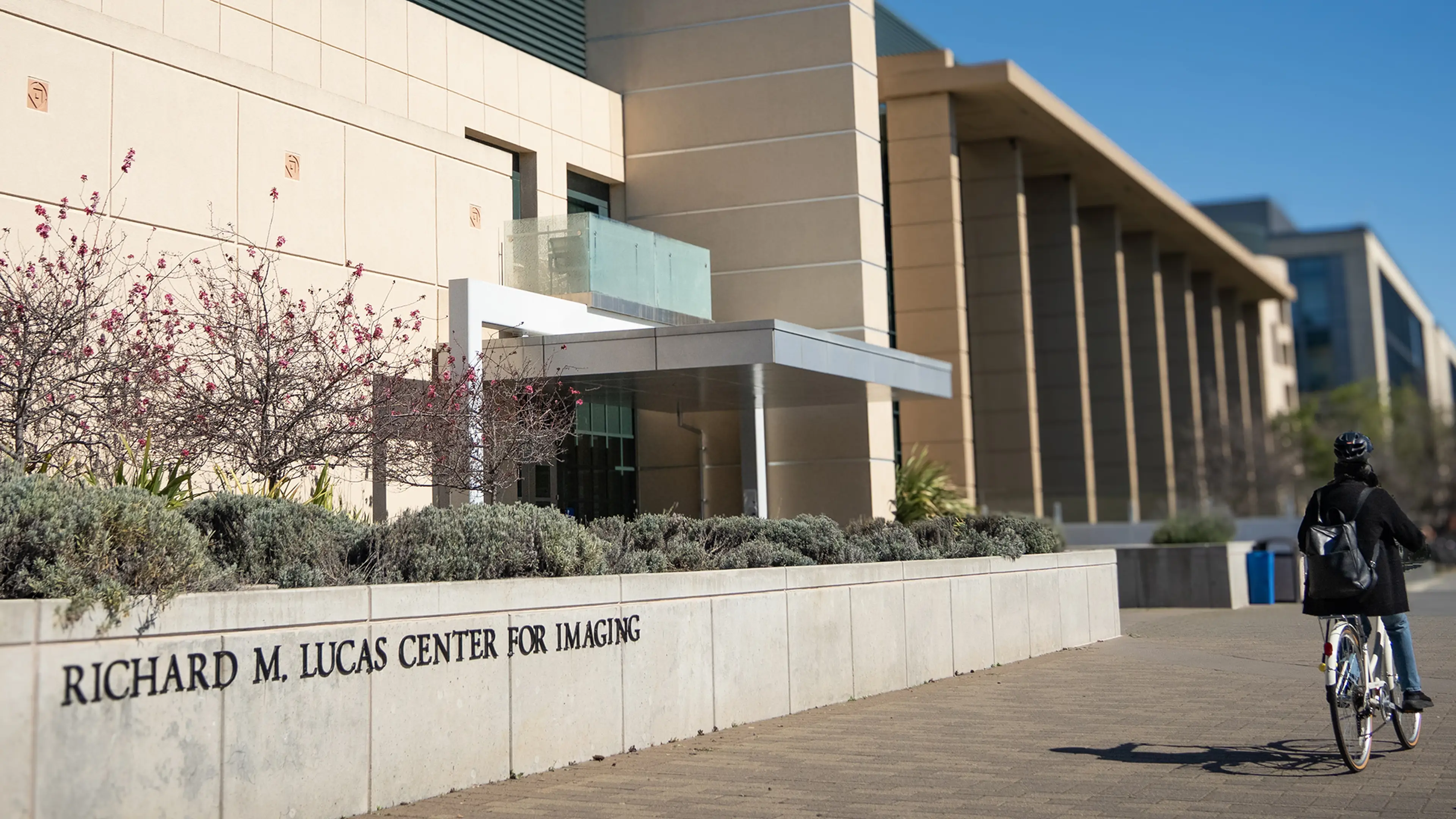
The Department of Radiation Oncology at the Stanford University School of Medicine is a premier center for cancer therapy, pioneering scientific research, and advanced technological innovation. Radiation oncology focuses on the precise use of ionizing radiation to treat cancer and benign tumors, combining clinical excellence with physics, engineering, and cancer biology.
Stanford has a legendary history of innovation in this field; it was here that the medical linear accelerator was first developed and applied to treat cancer patients in the Western Hemisphere. Today, in partnership with Stanford Health Care opens in a new tab and Stanford Medicine Children's Health opens in a new tab, the department continues this legacy. Clinical teams utilize the most sophisticated, non-invasive therapeutic technologies to deliver targeted radiation treatments, maximizing tumor destruction while preserving surrounding healthy tissue.
The Department of Radiation Oncology provides elite multidisciplinary training pathways at the intersection of physical science, engineering, and clinical medicine:
Ph.D. in Biomedical Physics (BMP): Jointly hosted by the Departments of Radiology and Radiation Oncology, the Biomedical Physics Graduate Program opens in a new tab is a premier doctoral pathway. It is the first Ph.D. program at Stanford housed directly within clinical departments, positioning students at the vanguard of translational research. The curriculum trains leaders to develop and translate sophisticated technologies into clinical medicine—spanning radiation therapy, image-guided therapy, diagnostic and interventional imaging, and molecular diagnostics.
Medical Physics Certificate Program (MPCP): Jointly administered by the Departments of Radiation Oncology and Radiology at the Stanford University School of Medicine, this two-year CAMPEP-accredited didactic training program opens in a new tab delivers coursework aligned with AAPM guidelines. Offered in collaboration with the Biomedical Physics Ph.D. Program opens in a new tab, the curriculum is taught by clinical and research faculty. The training prepares scholars for clinical practice through rigorous instruction in patient safety, quantitative mastery, professional ethics, and cross-disciplinary communication.
Multidisciplinary Graduate Research: While the department does not offer a standalone general degree in radiation oncology, its faculty actively mentor and host doctoral students from other Stanford Biosciences "Home Programs," particularly those in Biophysics and Cancer Biology, who elect to perform their dissertation research in department laboratories.
Undergraduate and Medical Education: The department offers specialized courses and directed individual research projects under faculty supervision, exposing undergraduate, graduate, and medical students to advanced topics in clinical physics and radiation biology.
The department is home to exceptionally creative and productive basic, translational, and clinical research programs. Scientists and clinicians collaborate to uncover the biological mechanisms of radiation response and develop next-generation therapies. Key areas of investigation include:
DNA Repair and Radiobiology: Analyzing how mammalian cells repair DNA damage induced by ionizing radiation to discover ways to make cancer cells more sensitive to treatment.
Tumor Microenvironment and Hypoxia: Investigating tumor hypoxia (low oxygen levels) in animal and human tumors, and developing novel, target-specific anti-cancer drugs (such as tirapazamine and other hypoxic cytotoxins) to exploit these oxygen-deprived environments.
Predictive Biomarkers and Personalization: Developing cytogenetic and molecular methods to predict how individual tumors will respond to specific therapies, allowing for highly personalized treatment regimens.
Molecular Imaging and Targeted Therapeutics: Researching radiolabeled monoclonal antibodies and molecular diagnostics to improve early cancer detection and deliver targeted radioimmunotherapy.
Advanced Treatment Technologies: Innovating and refining advanced delivery techniques, including intensity-modulated radiation therapy (IMRT), conformal radiation therapy, and image-guided interventions to optimize patient outcomes.