

Courses
Explore the courses offered by this organization.
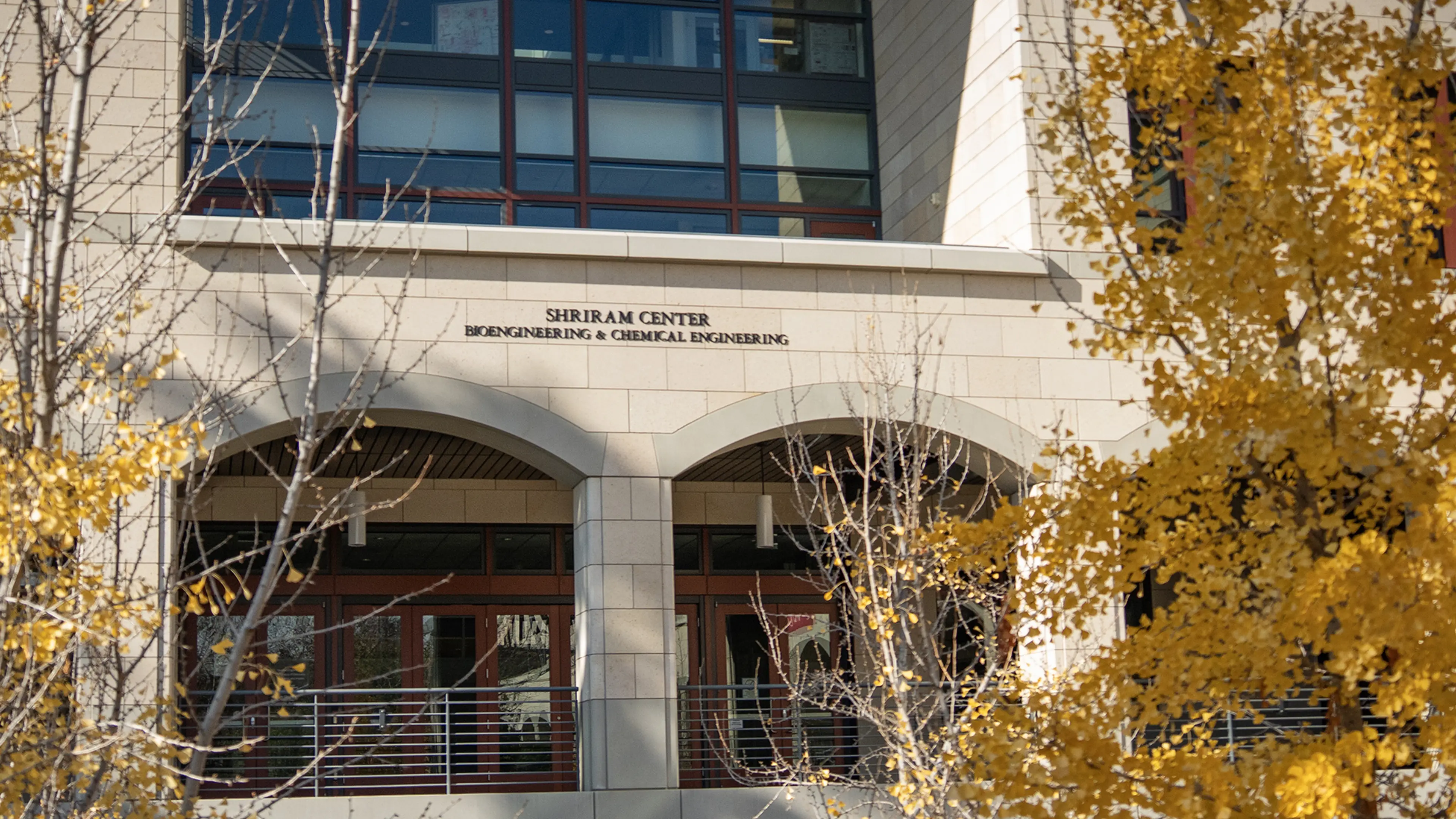
The Department of Pathology at the Stanford University School of Medicine serves as a vital bridge between the preclinical and clinical sciences. The discipline of pathology focuses on laboratory diagnostics, innovation, and research, bringing advances in the basic biological sciences to the diagnosis of human disease and the elucidation of the molecular, cellular, and structural mechanisms that drive clinical illness. Research in the department spans the entire translational spectrum—from fundamental molecular and cell biology to clinical-pathological correlations—with a distinguished history of leadership in experimental oncology, immunology, and diagnostic innovation.
In partnership with Stanford Health Care opens in a new tab and Stanford Medicine Children's Health opens in a new tab, the department's clinical pathologists and laboratory professionals deliver a spectrum of precise diagnostic services, including analyzing tissue specimens and laboratory tests to guide clinical decisions and patient care across the medical center.
While the Department of Pathology does not offer pathology specific undergraduate or advanced graduate degrees (such as an M.S. or Ph.D. in Pathology), we offer both clinical training and research opportunities:
Graduate Research and Thesis Mentorship: Qualified graduate students admitted through Stanford Biosciences "Home Programs" (such as Cancer Biology, Immunology, Stem Cell Biology, or Genetics), or other interdepartmental programs are highly encouraged to pursue their doctoral dissertation research within the department’s state-of-the-art research laboratories.
Residency and Fellowship Programs: The Department of Pathology offers formal ACGME-accredited pathology training for those who have graduated medical school and are interested in practicing in the clinical field of pathology. We have a variety of pathology residency training tracks, including Anatomic Pathology (AP), Clinical Pathology (CP), combined AP/CP, and combined AP-Neuropathology. We also offer over 15 different types of post-residency specialty pathology fellowships, where fellows learn to be clinical experts in specific aspects of pathology. World-class specialty faculty work one-on-one with our clinical trainees, and specialized curriculum is provided for their professional development. Our programs prepare residents and fellows for successful careers in academic medicine, private practice, and leadership roles within the field of pathology.
Medical Student and Clerkship Education: The department offers advanced didactic courses, clinical clerkships, and customized research opportunities designed to introduce Stanford medical students to diagnostic pathology and experimental medicine. Medical students are eligible to apply for our yearlong pathology post-sophomore/junior fellowship program (typically six months of clinical training and six months of research).
Research within the department leverages cutting-edge molecular biological, biochemical, genomic, and imaging technologies to dissect the fundamental mechanisms of disease. Throughout these areas our department leverages advances in computation and AI. Key areas of investigation include:
Cancer Biology and Experimental Oncology: Investigating cell cycle control, DNA replication, the pathogenetic role of chromosomal aberrations in human malignancies, and the precise molecular mechanisms of oncogene activation in solid tumors and lymphomas.
Immunobiology and Stem Cell Development: Deciphering the developmental biology of hematopoietic stem cells and the thymus, the regulation of the immune system, and cell-matrix interactions during immune responses.
Vascular and Cellular Signaling: Exploring how lymphocytes and neutrophils interact with endothelial cells, as well as the signal transduction pathways that dictate gene expression and cytoskeletal behavior.
Neuroimmunology and Neurodegenerative Diseases: Studying immune-mediated responses within the central nervous system to uncover the underlying causes of neurodegenerative and neuroinflammatory disorders.
Diagnostic and Therapeutic Innovation: Translating basic discoveries into advanced clinical tools, including novel diagnostic assays, immunotherapeutic modalities, multi-omics assays and targeted gene therapies for cancers, HIV, and inherited genetic diseases.