Graduate Programs
Explore the programs offered by this organization.
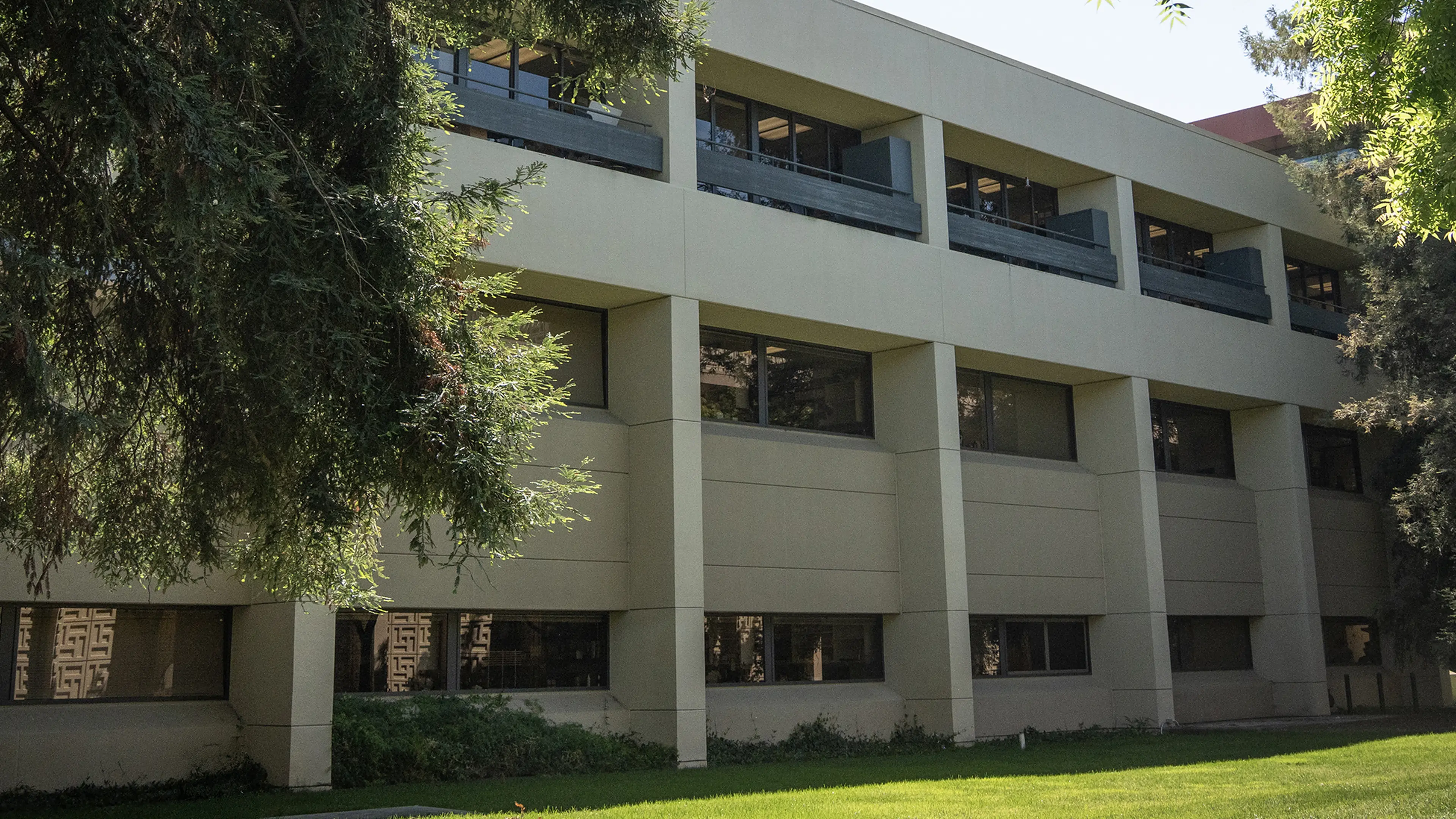
The Department of Microbiology and Immunology (M&I) at the Stanford University School of Medicine is a premier research and training hub with a legacy spanning nearly a century. The department's work centers on the complex, dynamic interplay between microbes and their hosts—a unifying theme that drives its world-class research, academic training, and clinical translation.
Comprising a vibrant community of over 200 researchers, students, and staff, M&I is united by a shared passion for scientific discovery and learning. The department’s mission is to conduct groundbreaking research and provide rigorous, inspiring training in microbiology, immunology, and host-pathogen biology. Through these endeavors, M&I aims to improve human and animal health while fostering the scientific insights needed to act as responsible stewards of a fragile planet.
The Department of Microbiology and Immunology offers exceptional training pathways designed to prepare scholars for leadership roles in academia, biotechnology, global health, and medicine:
Doctor of Philosophy (Ph.D.) in Microbiology and Immunology: A premier, research-intensive doctoral program offered as a "Home Program" within the Stanford Biosciences. The program emphasizes independent scientific inquiry, quantitative analysis, and interdisciplinary collaboration, preparing students to tackle complex biomedical challenges.
Postdoctoral Research Training: Providing advanced research opportunities, professional development, and elite laboratory mentorship for early-career postdoctoral scholars from around the world.
Medical and Professional Education: Offering fundamental coursework, advanced seminars, and hands-on laboratory rotations for Stanford medical students, graduate students from other departments, and undergraduates exploring infectious diseases and immunology.
M&I laboratories utilize state-of-the-art technological platforms—including advanced imaging, high-throughput sequencing, and computational modeling—to investigate two broad, overlapping areas of biology:
Host-Microbe Interactions (Virology, Bacteriology, and Parasitology): Deciphering the molecular mechanisms of pathogenesis and commensalism. Researchers investigate how viruses (such as HIV, influenza, and coronaviruses), bacteria (including tuberculosis and gut microbiota), and protozoan parasites interact with host cells, replicate, and evade or establish a balance with host defenses.
Immunology and Immunotherapy: Mapping the development, activation, and regulation of the immune system. Key areas of study include lymphocyte function, antigen recognition, immunological memory, vaccination strategies, and the molecular triggers of autoimmunity and chronic inflammation.