
Graduate Programs
Explore the programs offered by this organization.
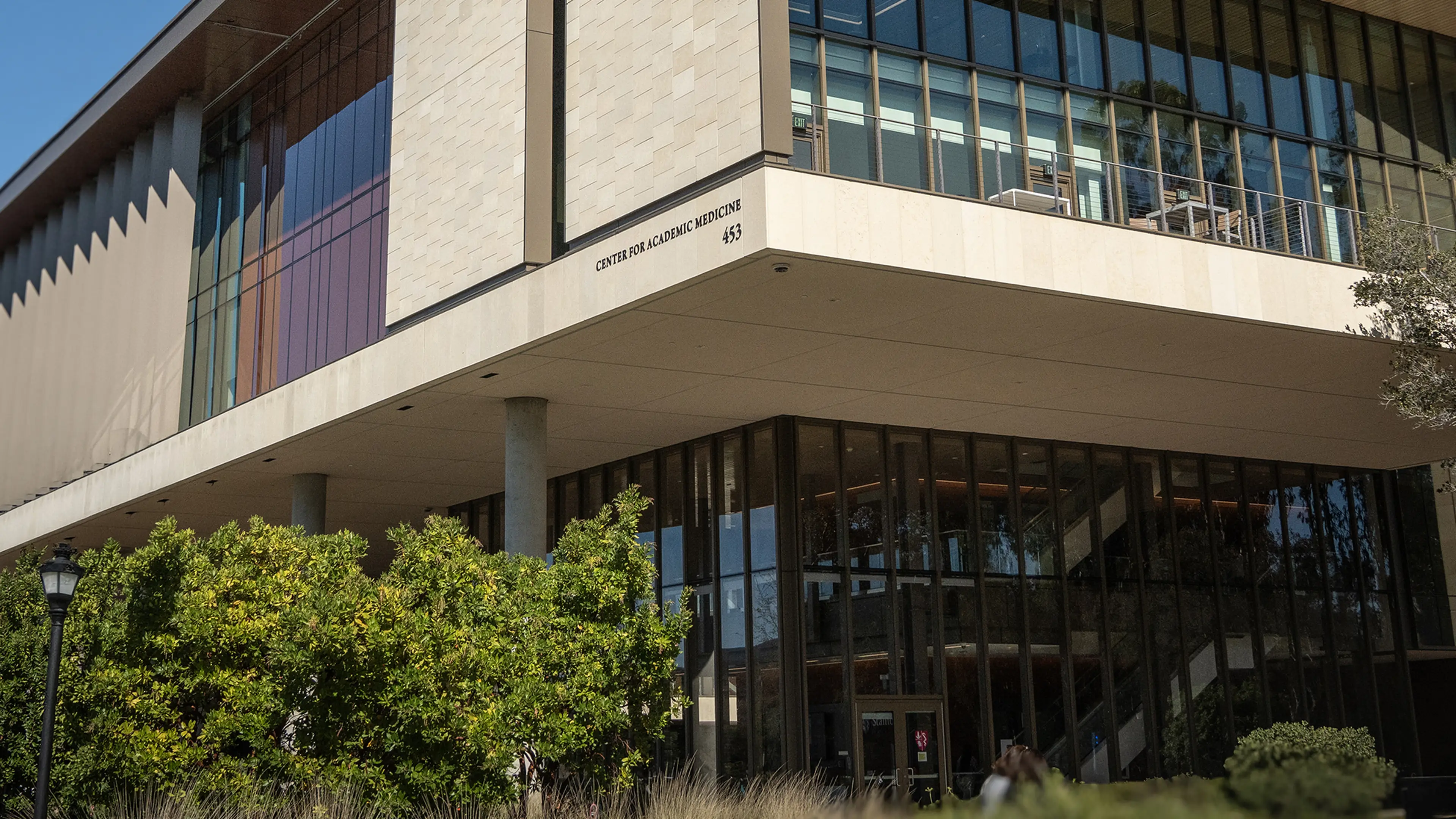
The Department of Genetics at the Stanford University School of Medicine is a world-renowned center of scientific discovery and clinical innovation. An underlying theme of the department is that genetics and genomics are not merely a set of laboratory tools, but a coherent, powerful, and fruitful way of thinking about biology and medicine. To this end, the department emphasizes a comprehensive spectrum of research approaches operating across all scales—from individual molecules and model organisms to human populations and entire genomes.
The department’s mission is equally dedicated to research, clinical translation, and education. Program graduates are equipped to become leaders in a wide array of fields, including academic research, biotechnology, healthcare delivery, health policy, and public education.
The Department of Genetics provides highly collaborative, multidisciplinary training environments designed to prepare students for impactful careers in science and medicine:
Doctor of Philosophy (Ph.D.) in Genetics: A premier, research-intensive doctoral program offered as a "Home Program" within the Stanford Biosciences. The program integrates comprehensive laboratory rotations, independent dissertation research, and interactive, didactic coursework. A key highlight of the academic year is the annual three-day Department of Genetics Retreat, which brings together over 350 students, faculty, postdoctoral fellows, and research staff to share ongoing discoveries.
Master of Science (M.S.) in Human Genetics and Genetic Counseling: A highly competitive, specialized graduate program that prepares students for careers as compassionate, board-certified clinical genetic counselors. The curriculum seamlessly integrates advanced coursework in genetics, genomics, and counseling psychology with immersive clinical rotations across Stanford Medicine's pediatric, prenatal, oncology, and adult genetic clinics.
Postdoctoral Fellowship Training: Providing elite laboratory mentorship, professional development, and access to state-of-the-art genomic technologies for early-career postdoctoral scientists.
Faculty and researchers within the department are leading the genomic revolution by developing and applying next-generation technologies to address some of the most complex questions in biology and human health. Key areas of investigation include:
Functional Genomics and Epigenomics: Uncovering how cellular instructions are read and regulated, and identifying the molecular switches that turn genes on and off in health and disease.
Population Genetics and Evolution: Analyzing diverse human and model organism genomes to understand genetic variation, disease susceptibility, and evolutionary history.
Medical and Precision Genetics: Utilizing high-throughput sequencing, multi-omics profiling, and bioinformatics to diagnose rare genetic disorders and customize clinical treatments based on a patient's unique genetic profile.
Gene Editing and Synthetic Biology: Developing and refining CRISPR-based technologies and gene therapies to correct disease-causing mutations and bioengineer novel cellular functions.
Agentic AI and Virtual Organism Models: Developing interpretable AI models that decode the regulatory code of the genome, and autonomous agents that design experiments and predict how genetic variation shapes cells and organisms.