
2.1 Baccalaureate Degree Requirements
Stanford University awards B.A. and B.S. degrees to students who complete at least 180 units, fulfill general education and major requirements, and meet residency requirements. Students may also pursue a B.A.S.
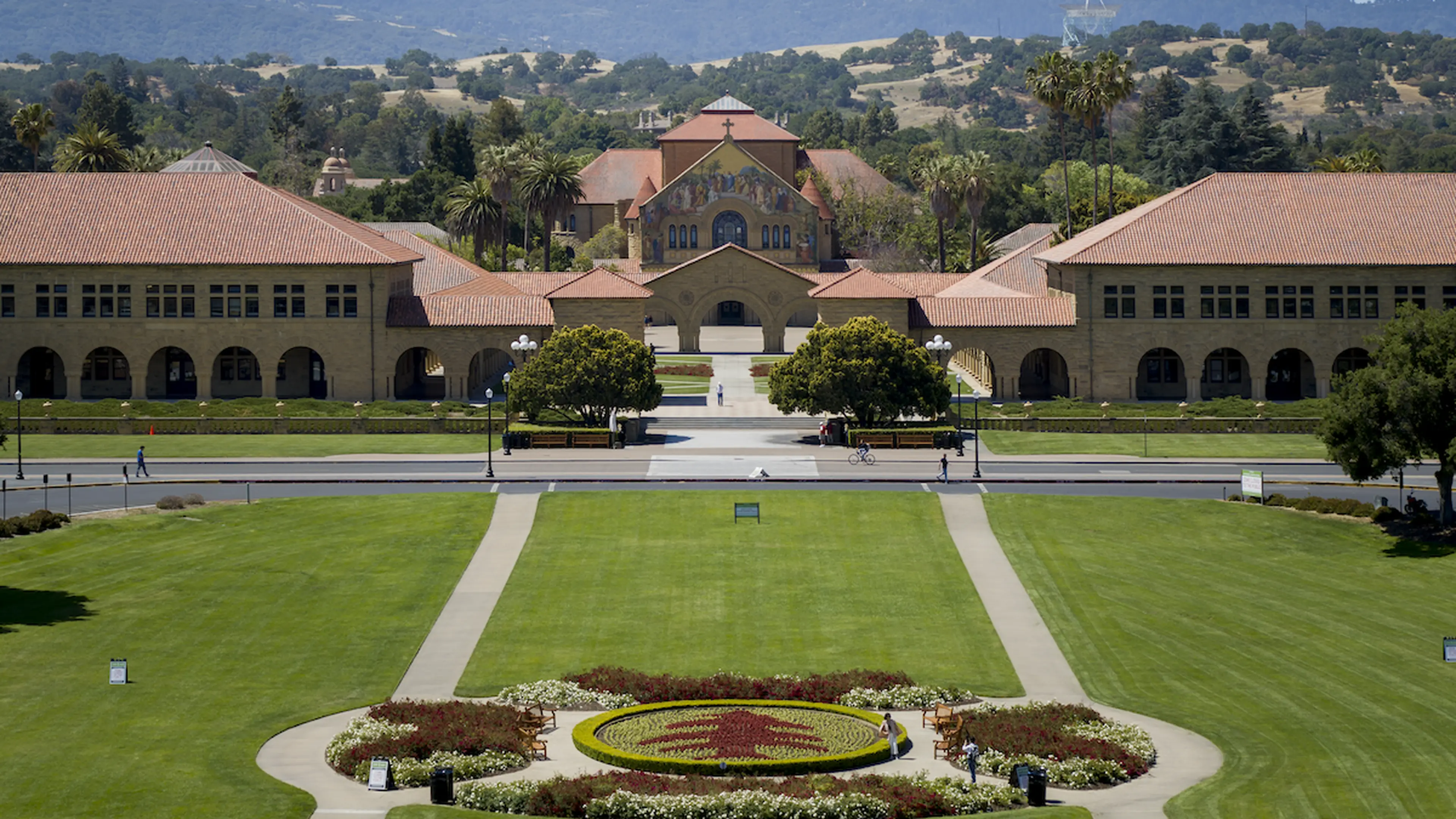
Find the official policies that govern our student and academic community.
Courses may not be double-counted across majors or minors except for approved foundational courses and school requirements, subject to university policy and any more restrictive departmental rules.
Students may not overlap (double-count) courses to fulfill requirements for more than one major or minor, except under the following conditions:
The overlapping courses constitute introductory skill requirements, such as foundational courses as pre-determined and approved on the course list below.
The overlapping courses enable students to meet school requirements. However, courses used for the major and/or the minor depth/core must not be duplicated within any other of the student’s degree programs (for example, for a major within the School of Engineering and a minor within or outside of the School of Engineering), except for the courses on the approved course list below.
Note: The School of Engineering is currently the only school that has requirements for its undergraduate majors.
The University Registrar’s Office, in partnership with the Dean’s Offices of schools that offer undergraduate programs, and the Committee on Undergraduate Standards and Policy (C-USP) have identified and approved a list of courses considered foundational for multiple degree programs. The courses that may be double-counted between programs and will be reflected in the University degree audit system (My Academic Path) are as follows:
BIO 81
BIO 82
BIO 83
BIO 84
BIO 85
BIO 86
CHEM 31A
CHEM 31B
CHEM 31E
CHEM 31M
CHEM 33
CME 100
CME 102
CS 106A
CS 106B
ECON 1
ENGR 14
ENGR 40M
HUMBIO 2A
HUMBIO 3A
HUMBIO 4A
MATH 19
MATH 20
MATH 21
MATH 51
MATH 52
MATH 53
MATH 61CM
MATH 62CM
MATH 63CM
MATH 61DM
MATH 62DM
MATH 63DM
PHYSICS 21
PHYSICS 23
PHYSICS 41
PHYSICS 43
PHYSICS 45
STATS 110
STATS 60
Individual programs may implement supplemental policies or restrictions regarding the double-counting of courses; however, these departmental policies must not create standards that are less rigorous or more lenient than those established by the University policy stated above. It is the responsibility of each academic department to make its policies and restrictions clear in the University Bulletin and certify that a student's plan of study meets all relevant university and degree program requirements without improper double-counting. For Engineering majors or minors, this certification process includes confirmation from the School of Engineering Dean’s Office.
The Registrar’s Office, in collaboration with the Dean's Offices, will curate and regularly update a list of approved introductory courses that can be double-counted, to be published in the University Bulletin and reflected in the University degree audit system (MAP). All academic programs will adhere to this policy, which prohibits individual departments from imposing additional restrictions on the approved courses. Faculty and advisors are encouraged to communicate this policy clearly to students, ensuring they understand the conditions under which courses may be double-counted. Any issues or clarifications needed regarding this policy can be directed to the Registrar’s Office for resolution.
Stanford University awards B.A. and B.S. degrees to students who complete at least 180 units, fulfill general education and major requirements, and meet residency requirements. Students may also pursue a B.A.S.
A major is intended to allow students to study a particular subject in great depth. Students must declare their major by the end of their sophomore year.
Students completing a bachelor's degree may declare one or more minors in addition to their major. Minors must be officially declared by the deadline for the student's application to graduate.