Undergraduate Programs
Explore the programs offered by this organization.
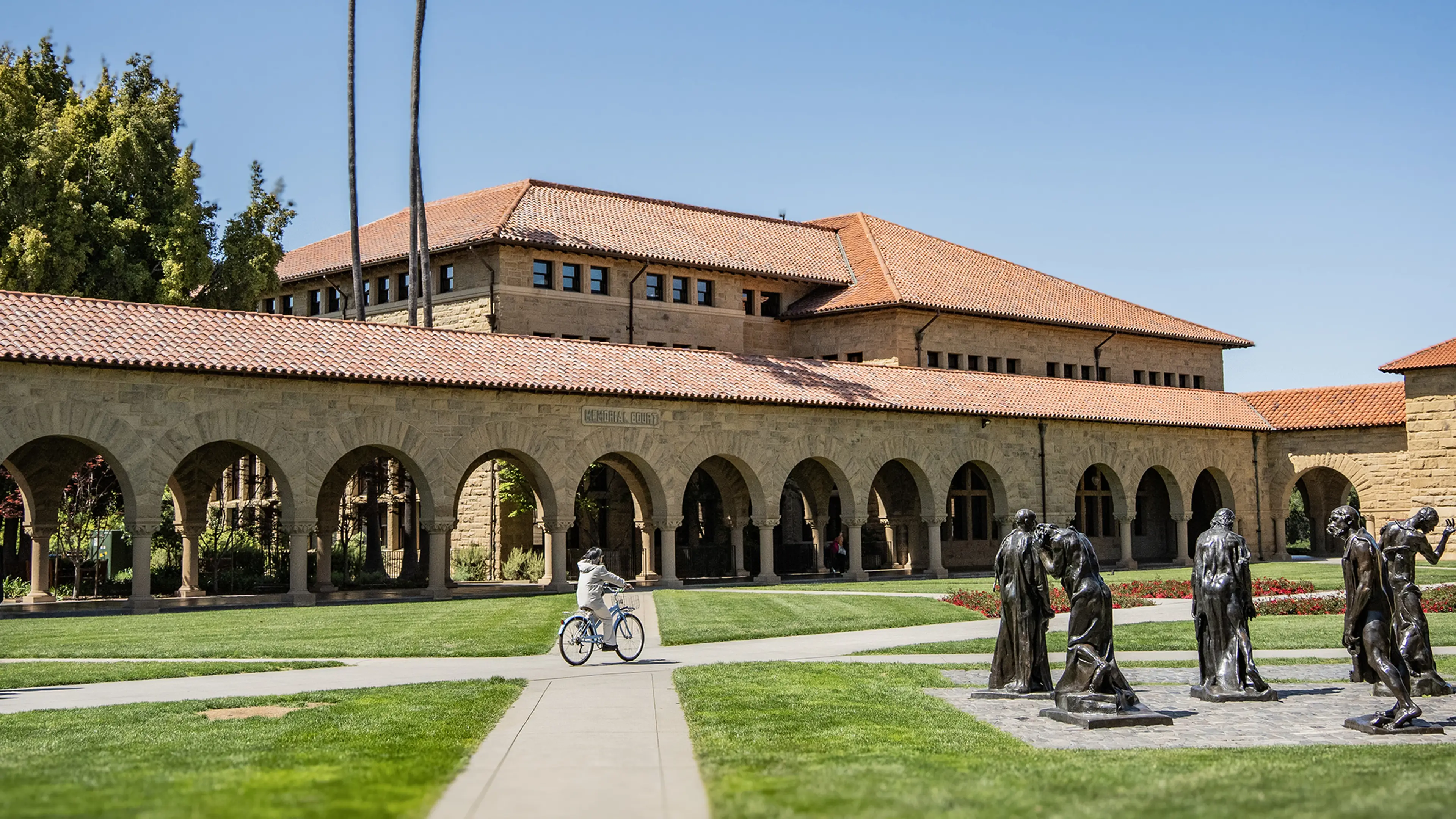
The Department of English at Stanford University, one of the university's founding departments in 1891, is the cornerstone of the humanities at Stanford. Reflecting the innovation and creativity of the Bay Area, our internationally renowned faculty conduct bold research and teach across the traditions of British, American, and World literary history.
To study English at Stanford is to explore, deeply and rewardingly, the rich legacy of literature written in English, past and present. The department offers a wealth of courses on individual authors, the history of literary genres, literary theory, new media, and creative writing. Given the emphasis on critical thinking and interpretation, the English major is in turn an excellent preparation for many professional fields, including teaching, journalism, law, publishing, medicine, and business. The graduate program features rigorous training in the research and analysis of British, American, and global literary histories and theories, preparing students to produce scholarship of originality and importance, and to teach literature at the highest levels.
The Department of English provides comprehensive writing and analytical pathways designed to cultivate critical interpretation, rhetorical power, and creative expression:
Undergraduate Program (B.A. and Minor): Offers students the opportunity to acquire fundamental writing skills, master the powers of argument, and analyze literature’s development from the Middle Ages to the present. The program serves as excellent preparation for professional fields including teaching, journalism, law, publishing, medicine, and business.
Creative Writing Concentration for English Majors: Allows English majors to focus on creative writing through workshop-based courses or personalized Levinthal Tutorials with Stegner Fellows, Stanford's distinguished writers-in-residence.
Creative Writing Minor: The Creative Writing minor offers students in any major a structured environment to explore writing interests, develop skills, and receive an introduction to literary forms.
Digital Humanities Minor: For students in any major who want to combine humanities thinking with technological practices to gain a deeper skills-based understanding of the impacts of digital technologies on culture and a larger sense for how culture and technology have historically interacted, are today, and will in the future.
Coterminal Program (M.A.): Providing a pathway for Stanford undergraduates to transition into graduate-level courses in English.
Terminal Program (M.A.): For students who want to teach English, enhance their appreciation of literature and literary interpretation, or who are considering further study of English at the doctoral level.
Graduate Program (Ph.D.): A rigorous doctoral program preparing scholars to produce original research in British, American, and global literary histories and theories, and to teach literature at the highest levels.
Stegner Fellowship: The Creative Writing Program supports writers by offering five two-year poetry fellowships and five two-year fiction fellowships annually. These Stegner fellowships are highly prestigious, non-degree-granting residencies.
Research in the department bridges historical scholarship with modern experimental techniques and creative practice. Key initiatives and collaborative centers include:
The Creative Writing Program: Cultivates the power of individual expression within a vibrant community and hosting regular public readings by visiting novelists, short-story writers, and poets.
The Literary Lab: An experimental research group that bridges the humanities and technology to examine the face of literature in the age of big data and digital mapping.
Center for the Study of the Novel: Organizes undergraduate colloquia and scholarly initiatives to explore how and why the novel has become such an essential part of global culture.
Critical Game Studies Lab: Explores the world of video games as formal objects and cultural texts.
Critical-Creative Studies Initiative: Supports innovative courses that fuse creative expression and literary analysis