
1.3 Coterminal Admissions
Stanford undergraduates with strong academic records can apply for admission to a Master of Arts (M.A.) or Master of Science (M.S.) program through a coterminal admission process, provided they meet certain conditions.
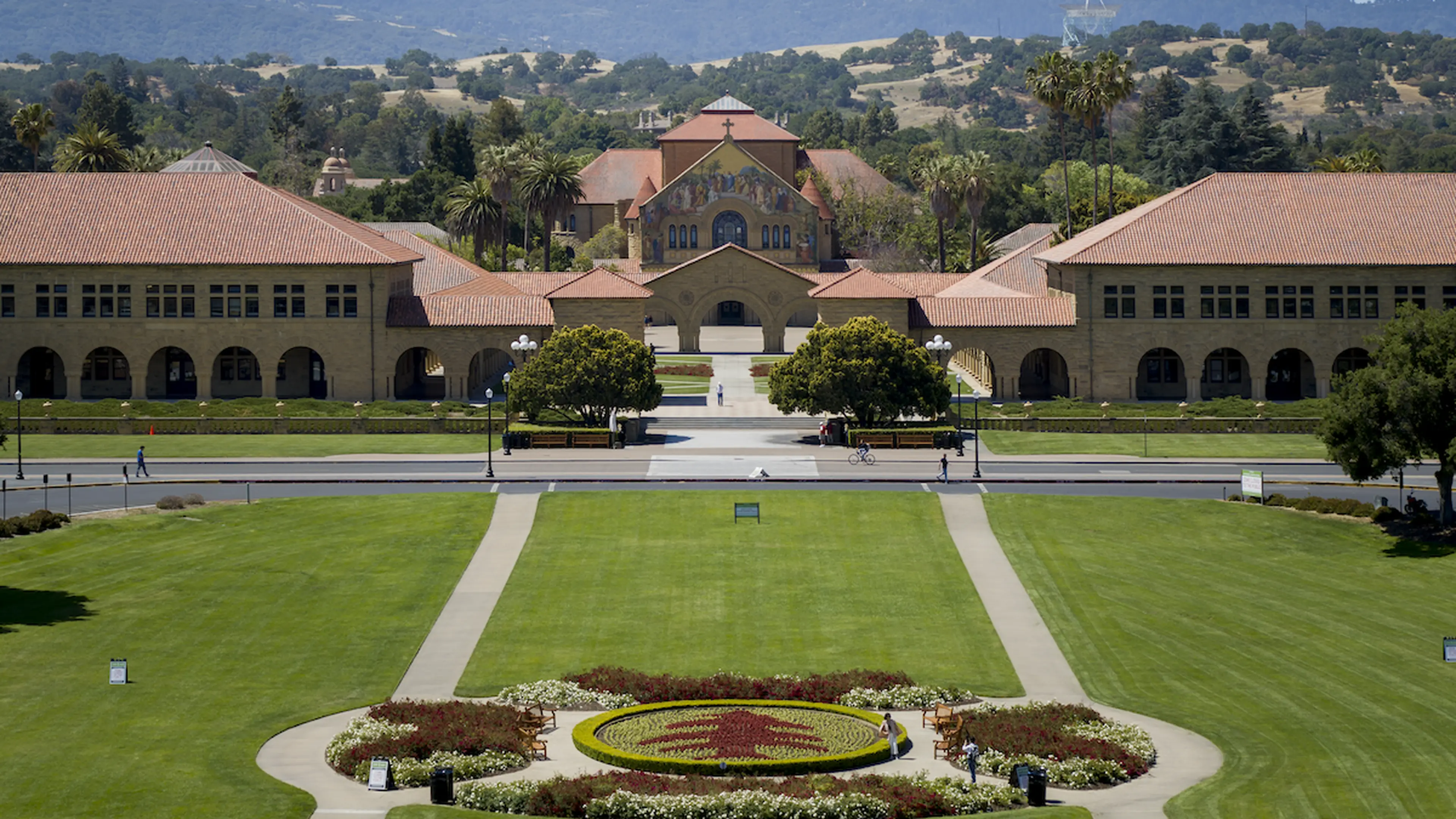
Find the official policies that govern our student and academic community.
In the first graduate quarter, a coterm student must be assigned an advisor in the master's program for assistance in planning a program of study to meet the requirements for the master's degree. The plan is outlined on the Program Proposal for a Master's Degree opens in a new tab, which is approved by the master's program by the end of the first graduate quarter. The preliminary program proposal from the coterm application may inform the Program Proposal, but does not satisfy this master’s degree requirement.
The course of study for each student’s master’s degree should be outlined on the student’s Program Proposal form. The decision as to which courses a program approves in the student’s master’s program proposal, including changes from the typical curriculum, is within the purview of the department or program. The conversation between the student and the student’s graduate advisor is important in this regard.
Coterminal students must submit a proposal during the first quarter after admission to the coterminal program.The master’s program proposal must meet university minimum requirements for the master’s degree, including at least 45 units taken at Stanford, all courses at 100-level or above, and 50% of units designated primarily for graduate students (typically 200-level or above). All courses must be in the graduate career.
All requirements for a master’s degree must be completed within three years after the first graduate quarter. An extension requires review of academic performance by the department or program, and is within the discretion of the program.
Students must apply for conferral of each degree separately by filing an Application to Graduate in Axess by the deadline for the expected graduation term(s). The master's degree must be conferred simultaneously with, or after, the bachelor's degree. Coterm students may not confer the master's degree prior to the conferral of the undergraduate degree.
Students may find the Program Proposal for a Master’s Degree on the Student Services website opens in a new tab. Department administrators responsible for this University requirement should review the steps outlined on the Inside Student Services Intranet opens in a new tab(faculty/staff only) in order to mark the University milestone completed.
If more time is needed to complete the degree, students may file an Application for Extension of Master’s Program opens in a new tab prior to the conclusion of the original three-year limit, requesting up to one additional year. Department administrators should review their students eligibility end date throughout the students academic career, and follow the steps outlined here opens in a new tab if an extension is granted.
Stanford undergraduates with strong academic records can apply for admission to a Master of Arts (M.A.) or Master of Science (M.S.) program through a coterminal admission process, provided they meet certain conditions.
Coterminal students at Stanford simultaneously hold undergraduate and graduate status for one or more quarters and must carefully assign courses and units to each career while staying within unit limits based on their tuition
Each type of degree offered at Stanford (for example, Bachelor of Arts, Master of Science) has a requirement, called residency for graduate degrees, based on the minimum number of academic units required for the degree.
For each Stanford advanced degree, there is an approved course of study that meets university and department requirements. The University's general requirements, applicable to all graduate degrees at Stanford, are described below.
Details university requirements for master’s degrees.