
11.2 Campus Disruptions
Stanford’s Policy on Campus Disruptions affirms the right to free speech and protest while requiring that campus activities remain orderly, respectful, and conducive to academic work.
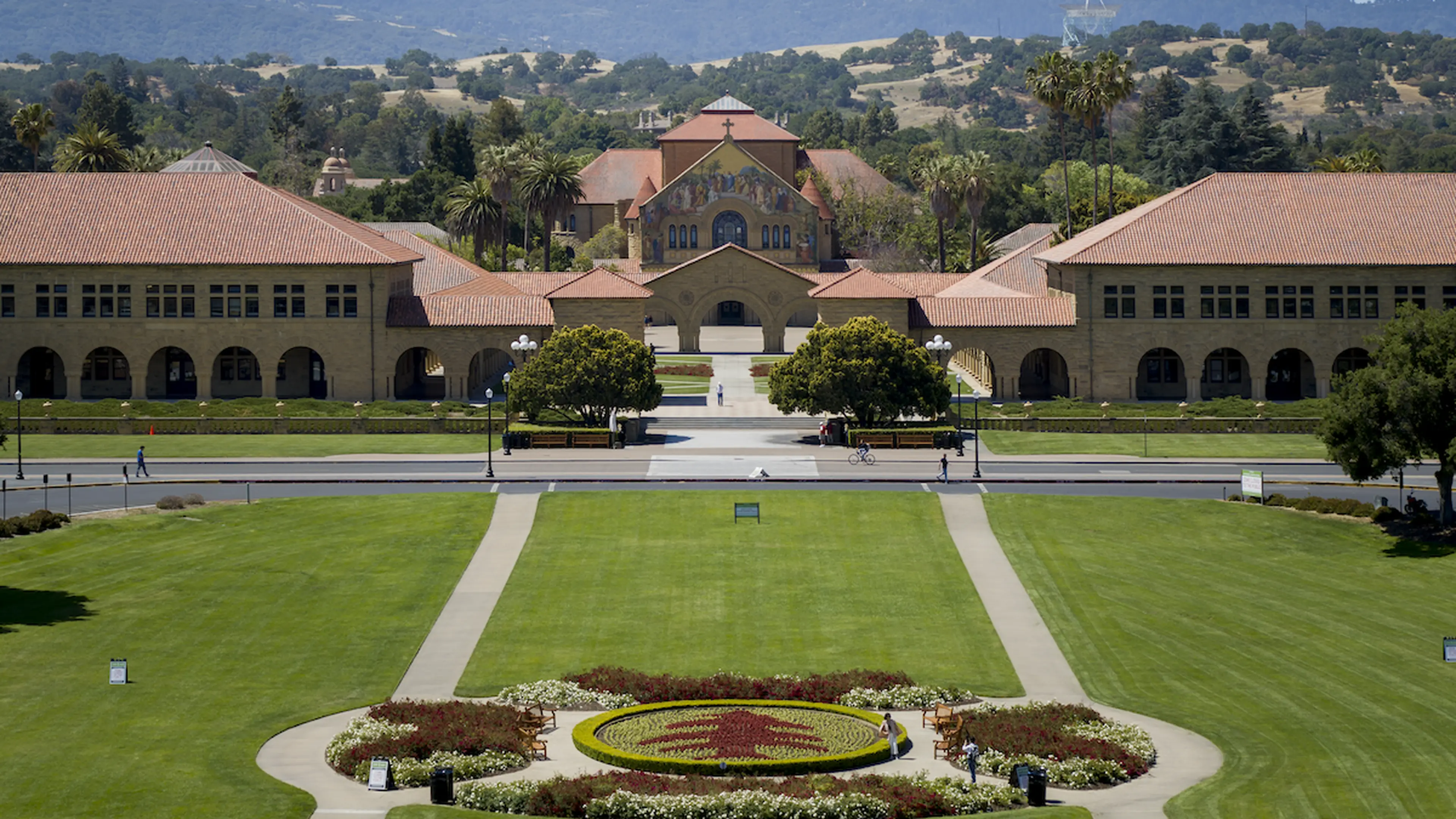
Find the official policies that govern our student and academic community.
Overnight camping is prohibited on campus—including tents or sleeping outdoors between 10 p.m. and 8 a.m.—due to safety risks, with violations subject to removal and discipline, and only limited pre-approved exceptions for longstanding university events.
Overnight camping is not permitted. Camping includes not only sleeping in tents or under canopies, tarps or other similar structures between 10 p.m. and 8 a.m., but also sleeping outdoors with sleeping bags or blankets between those hours, and setting up unpermitted tents or similar structures that remain overnight, whether or not actually occupied during the prohibited hours.
The university has determined that it cannot safely support overnight camping on an ongoing basis. Student safety is inherently at risk when sleeping in an open area accessible to the public, to animals (which on our campus can include coyotes, raccoons, and the occasional mountain lion as well as rodents), and to hazardous weather conditions. Unattended tents and canopies can and have blown loose during storms. Moreover, tents also pose fire hazards as identified by the Fire Marshall. Any tents set up in violation of this policy will be removed and will not be returned to their owners. Persons setting up tents in violation of this policy may be subject to campus discipline.
Exceptions to this policy require advance written permission from the Provost and will only be granted for certain longstanding signature university events of short and defined duration that have taken place annually for many years and for which adequate staffing and safety arrangements are already in place (these include the annual PowWow, the longstanding spirit week activities before the Big Game, and Stanford Pre-Orientation camping trips).
Stanford’s Policy on Campus Disruptions affirms the right to free speech and protest while requiring that campus activities remain orderly, respectful, and conducive to academic work.
Although Stanford University is a private campus that welcomes visitors, non-affiliates may only engage in limited expressive activity in designated areas like White Plaza and cannot organize events or use structures without permission, must follow